Tips for Lawn Mowing to Enhance Your Boston LandscapingTips for Lawn Mowing to Enhance Your Boston Landscaping

Maintaining a healthy and lush lawn begins with proper mowing practices. Here are some essential tips to help you achieve a professional-looking lawn while promoting growth and preventing damage.

Mow at the Correct Height

Mowing at the right height is critical for maintaining both the health and beauty of your grass. Cutting too short can stress the grass, making it more susceptible to weeds, pests, and diseases.

  • Cool-season grasses (e.g., Kentucky bluegrass, fescues): Keep at 2. 5–4 inches in height.
  • Warm-season grasses (e.g., Bermuda grass, zoysia): Maintain a height of 1–2 inches.

Adjust your mower’s settings based on the specific type of grass in your landscape to promote optimal growth and coverage.

Follow the One-Third Rule

One of the basic rules of mowing is to never remove more than one-third of the grass blade during a single mow. Removing too much at once can shock the plant, weaken its root system, and lead to thinning or bare patches over time.

Grass Height Before Mowing Ideal Height After Mowing Amount Removed
3 inches 2 inches 1 inch
6 inches 4 inches 2 inches

Adhering to this rule helps maintain healthy photosynthesis processes and preserves moisture in your lawn.

Keep Mower Blades Sharp

Dull mower blades tear rather than cut grass, leading to jagged edges that make lawns prone to disease and discoloration. Sharpening mower blades regularly ensures clean cuts that promote quick healing and reduce stress on each blade of grass.

  • Sharpen blades every 25 hours of mowing time or as needed.
  • Inspect blades for nicks or damage before each use.
  • Replace dull or bent blades promptly.

Choose an Appropriate Mowing Schedule

The frequency of mowing depends on factors such as grass type, growth rate, and weather conditions. During peak growing seasons (spring for cool-season grasses; summer for warm-season grasses), you may need to mow weekly or bi-weekly.

  • Early morning after dew has dried – prevents clumping.
  • Late afternoon – allows cut edges time to heal before nightfall when moisture levels rise.

Avoid mowing during midday heat as it can cause additional stress on both machinery and your lawn.

Alternate Your Mowing Pattern

Repetitive mowing patterns can compact soil and create ruts in your lawn. Alternating directions each time you mow prevents this issue while encouraging upright growth.

  1. Week one: Mow horizontally across your yard.
  2. Week two: Switch to vertical passes.
  3. For larger spaces: Consider diagonal patterns occasionally for even coverage.

Remove Clippings Sparingly

Grass clippings act as natural mulch by returning nutrients like nitrogen back into the soil. However, if clumps form due to excessive growth or wet conditions, they should be raked up promptly as they can smother underlying grass.

Properly applied tips like these ensure both functionality and aesthetics when maintaining any landscape professionally or personally through routine care strategies tailored diligently over seasons ahead!

Best Lawn Mowing Practices for a Beautiful Outdoor Space by a Boston MA Landscaper

A well-maintained lawn can enhance the overall appeal of your outdoor space, making it more inviting and enjoyable. The secret to achieving a pristine lawn lies in applying effective mowing practices. Below are some of the best techniques and strategies to keep your lawn healthy and visually appealing.

Choosing the right mowing height is essential for maintaining a healthy lawn. Grass that is cut too short is vulnerable to stress, pests, and disease, while grass that is too tall may look untidy.

  • Cool-season grasses: Keep at 2. 5 to 4 inches.
  • Warm-season grasses: Maintain at 1 to 3 inches.

Adjust your mower’s blade height according to the type of grass you have and seasonal conditions.

To minimize stress on your lawn, avoid cutting off more than one-third of the grass blade length during a single mow. Removing too much at once can weaken the grass by reducing its ability to photosynthesize.

Dull mower blades tear grass rather than cutting it cleanly, which can lead to brown tips and increased susceptibility to disease. Regularly sharpening your mower blades ensures clean cuts that promote healthier growth.

Benefits of Sharp Blades:

Sharp Blades Dull Blades
Clean cuts Ragged tears
Improved appearance Brown or uneven spots
Reduced water loss Increased water evaporation

Mowing in the same pattern repeatedly can cause compaction and uneven growth over time. Changing up your mowing direction – such as mowing diagonally or in perpendicular rows – helps distribute weight evenly across your lawn and encourages upright grass growth.

Attempting to mow wet grass often leads to clumping, uneven cuts, and damage from soil compaction caused by heavy equipment on soggy ground. It’s best to wait until the lawn has dried for optimal results.

Advantages of Dry Lawn Mowing:

  • Prevents soil damage.
  • Reduces risk of mower clogging.

Instead of collecting all clippings after mowing, consider leaving them on the ground as they decompose naturally and return nutrients like nitrogen back into the soil.

Here are scenarios where mulching clippings works best: – When they are short enough not to smother underlying grass. – During dry periods when additional organic material benefits soil health.

Additional Considerations for Lawn Mowing Success:

  1. Frequency Matters:Adjust how often you mow based on seasonal growth rates – more frequently during spring or rainy seasons when growth accelerates.
  2. Inspect Your Equipment:Regularly maintain your mowing equipment by cleaning debris buildup, sharpening blades, and checking for mechanical issues.
  3. Edge Carefully:Use trimmers or edgers around hard-to-reach areas like fences or flower beds for a polished finish.

By adhering to these best practices consistently, you can achieve a vibrant outdoor space that reflects both health and beauty in every season.

The Importance of Choosing a Boston MA Landscaping Company for Proper Lawn Care

Maintaining your lawn at the correct height is one of the most essential aspects of lawn care. Not only does it promote a healthier, more vibrant lawn, but it also reduces weed growth and helps your grass withstand environmental stressors. Let’s explore why mowing height matters and how to determine the best height for your grass type.

Why Mowing Height Is Crucial

  1. Encourages Deeper Roots: Taller grass encourages deeper root systems, helping the lawn access water and nutrients more effectively during dry periods.
  2. Improves Photosynthesis: Longer blades allow for more photosynthesis, which provides energy to produce a stronger and healthier plant system.
  3. Suppresses Weeds: A thicker canopy created by taller grass shades out weeds, reducing their ability to grow and spread in your yard.
  4. Enhances Disease Resistance: Grass maintained at its optimal height is less susceptible to fungal infections and diseases due to improved airflow and reduced stress.

Finding the Optimal Mowing Height for Your Grass Type

Different grass species require different mowing heights to thrive effectively.

Grass Type Recommended Mowing Height (inches)
Kentucky Bluegrass 2.5 – 3.5
Perennial Ryegrass 2 – 3
Bermuda Grass 1 – 1.5
Tall Fescue 3 – 4
Zoysia 1 – 2
St. Augustine 2.5 – 4

When determining mowing height, always err on the higher side during periods of drought or extreme heat, as this helps retain soil moisture and improves turf resilience.

Tips for Maintaining Proper Mowing Height

  • Adjust Your Mower Settings:Before starting your mower, ensure its settings match the recommended height for your grass type.
  • Avoid Cutting Too Much at Once:Follow the “one-third rule” – never remove more than one-third of the grass blade at a time during mowing sessions.
  • Seasonal Adjustments:Raise your mower deck slightly during warmer months when grass is under stress from heat or drought.
  • Monitor Growth Rates:During peak growing seasons like spring, you may need to mow more frequently while maintaining an appropriate cutting height.

Common Mistakes When Setting Mowing Heights

Properly setting your mower’s deck might seem straightforward but is often overlooked by homeowners or inexperienced landscapers.

  • Scalping:Cutting too low weakens grass and exposes soil, leading to weed invasion and potential damage.
  • Uneven Cuts:Uneven mowing caused by dull blades or uneven mower decks can stress certain areas of your lawn.
  • Neglecting Seasonal Needs:Forgetting that lawns require different heights throughout various seasons can lead to poor performance over time.

By understanding and applying proper mowing heights specific to your lawn’s needs, you’ll create a healthy foundation that not only looks beautiful but also requires less maintenance over time. Healthy turf starts with consistent care—and knowing when higher might just be better than lower ensures long-lasting results in any landscape setting.

Master Lawn Care in Boston MA: Mowing Tips for a Professional Look

Achieving a professional-looking lawn requires more than just regular mowing; it demands a deep understanding of proper techniques, tools, and timing. By mastering the art of lawn mowing, you can transform your outdoor space into an immaculate and healthy landscape that enhances the overall aesthetic appeal of your property.

The foundation of effective mowing lies in selecting appropriate equipment. Different types of mowers serve different purposes, so ensure you’re using one that suits your lawn’s size and specific needs.

  • Push mowers: Ideal for small to medium-sized lawns.
  • Riding mowers: Best for large lawns or those with uneven terrain.
  • Electric or battery-powered mowers: Eco-friendly choices for quieter operation.
  • Self-propelled mowers: Great for hilly landscapes or those needing less manual effort.

Regular maintenance is also crucial to keep equipment functioning optimally. Clean the undercarriage after each use and sharpen mower blades as needed. If you need professional help reach out to www.landscapersboston.org.

Mowing height plays a significant role in the overall health and appearance of your lawn. Cutting grass too short can make it vulnerable to weeds, pests, and diseases, while leaving it too long may result in an untidy look.

Grass Type Recommended Height Range
Kentucky Bluegrass 2.5 – 3.5 inches
Bermuda Grass 1 – 1.5 inches
Zoysia Grass 1 – 2 inches
Tall Fescue 3 – 4 inches

Always adjust your mower’s settings according to the type of grass you have on your property.

To achieve even growth across your lawn: – Alternate mowing patterns each time you mow (e. , horizontal one week, vertical the next). This prevents soil compaction and encourages upright growth. – Overlap each pass slightly to avoid leaving missed patches of uncut grass. – Avoid sharp turns with heavy equipment, as this can damage both the turf and soil.

A clean cut is critical for maintaining a professional-looking lawn. Dull blades tear grass instead of cutting it cleanly, which can leave jagged edges that turn brown over time.

Here’s how to ensure optimal blade performance: – Inspect blades regularly for signs of wear or damage. – Sharpen blades every few weeks during peak growing season. – Replace severely worn-out blades promptly if sharpening doesn’t restore functionality.

Proper timing ensures your mowing efforts yield maximum results: – Mow when grass is dry to prevent clumping or uneven cuts. – Avoid mowing during peak heat hours (midday) as this can stress both the turf and yourself. – Stick to a consistent schedule based on grass growth rate—typically once per week during active growing seasons.

Grass clippings can be an asset or a nuisance depending on how they’re handled: – Leave clippings on the lawn when they’re short; they decompose quickly and add valuable nutrients back into the soil. – Use a bagging attachment if clippings are excessively long or wet to maintain tidiness.

Alternatively, you can compost clippings if you prefer not leaving them on the turf surface.

Final Thoughts

Mastering these techniques takes dedication but yields long-lasting results—a healthy, vibrant lawn that looks professionally maintained year-round will enhance curb appeal while promoting sustainable growth practices in landscaping management systems.

Avoiding Common Lawn Mowing Mistakes to Maintain a Stunning Landscape

Proper lawn care involves much more than simply running a mower over your grass. While mowing seems straightforward, many homeowners unknowingly make mistakes that can harm their lawn’s health and appearance. By avoiding these common pitfalls, you can achieve a stunning landscape that thrives year-round.

One of the most frequent mistakes is mowing the grass too short, also known as “scalping. ” This practice weakens your lawn by removing too much of the grass blade, reducing its ability to photosynthesize effectively.

  • Increased vulnerability to weeds.
  • Greater susceptibility to drought or extreme temperatures.
  • Weak and patchy growth.

Solution:Mow no more than one-third of the blade length at a time. Most lawns thrive at a height between 2. 5 and 4 inches, but this depends on the grass type.

Dull mower blades tear grass rather than cutting it cleanly, leaving jagged tips that turn brown and make your lawn appear unhealthy. Additionally, torn grass is more prone to diseases and pest infestations.

  • Inspect mower blades regularly for dullness or damage.
  • Sharpen blades every 20 to 25 hours of use.
  • Replace worn-out blades when sharpening is no longer effective.

Mowing wet grass often leads to uneven cuts and clumping of clippings, which can suffocate parts of your lawn and encourage fungal growth.

Issue Consequence
Clumping Blocks sunlight from reaching healthy grass underneath.
Uneven cuts Leads to inconsistent growth patterns in your lawn.
Soil compaction Wet soil is easily compacted by the mower’s weight.

Solution:Wait until the grass is dry after rain or morning dew before mowing.

Different types of grasses (cool-season vs warm-season) have unique growth patterns and require tailored care throughout the year. Ignoring these differences may result in poor growth or even damage during certain seasons.

  • Warm-season grasses (e.g., Bermuda, zoysia):Thrive in summer; adjust mowing heights during cooler months as they transition into dormancy.

Keep in mind seasonal changes as well—fall might require less frequent mowing compared to spring or summer when there’s faster growth.

Neglecting edges creates an unkempt appearance even if the rest of your lawn looks well-maintained. Leaving tall or uneven edges can also allow weeds to spread into other areas over time.

  • Use an edger or string trimmer regularly alongside mowing.
  • Trim along walkways, flower beds, fences, and driveways for a polished look.

By avoiding these common mistakes and incorporating thoughtful practices into your routine, you can ensure healthier growth while enhancing your property’s curb appeal effortlessly over time.

Why Sharp Blades and Clean Cuts Matter in Landscaping Equipment

Maintaining sharp blades and ensuring clean cuts are critical aspects of lawn care that significantly impact the health and appearance of your landscape. Dull mower blades can create jagged cuts, leading to stress on grass plants, while sharp blades produce precise cuts that promote healthier growth. Below, we dive into why blade sharpness is essential and how it contributes to a thriving lawn.

The Impact of Dull Blades on Lawn Health

Using dull blades for mowing your lawn can lead to several problems:
Frayed Grass Tips:Dull blades tear the grass rather than cutting it cleanly, leaving frayed tips that turn brown or yellow. This discoloration diminishes the overall look of your lawn.
Increased Susceptibility to Disease:Torn grass edges create entry points for pests and fungal infections, making your lawn more prone to diseases such as brown patch or dollar spot.
Stress on Grass Growth:Rough cuts cause additional stress to grass as it diverts energy toward healing damaged tissue instead of growing deeper roots or producing denser foliage.

Benefits of Using Sharp Blades

Regularly sharpening mower blades offers noticeable improvements in both the health and aesthetics of your lawn:
Cleaner Cuts for Healthier Growth:A sharp blade slices through grass effortlessly, allowing for quicker healing and encouraging uniform growth. Healthy lawns with properly cut grass recover faster after mowing sessions.
Improved Water Retention:Clean cuts reduce water loss by preserving the integrity of each blade of grass, helping maintain hydration even during hot weather conditions.
Enhanced Visual Appeal:Sharp mowers leave behind a polished finish with no unsightly discoloration—a professional-grade look that elevates curb appeal.

How Often Should You Sharpen Your Mower Blades?

Frequency Ideal Conditions Challenging Conditions
Every 20-25 hours of mowing On level terrain with minimal debris such as rocks or sticks. If mowing over uneven terrain or areas with pebbles/sticks more frequently damaging edge efficacy

How to Ensure Clean Cuts During Mowing

Achieving clean cuts requires more than just sharpening mower blades—it also involves adopting proper maintenance habits:
1.

Discover When Is the Best Time to Mow for Optimal Lawn Growth

Proper timing plays a critical role in maintaining a well-manicured and healthy lawn. Mowing your lawn at the right time not only enhances its visual appeal but also contributes to its overall health and sustainability. Here are some essential tips and insights to help you determine when it’s best to mow your lawn for optimal growth.

Consider the Time of Day

The time of day has a significant impact on how effective your mowing session will be.

  • Morning (6 AM – 10 AM):Early morning is generally considered one of the best times for mowing. The grass is still slightly dewy, which helps prevent excessive drying. Additionally, cooler temperatures reduce stress on both the grass and yourself.
  • Midday (10 AM – 3 PM):Avoid mowing during peak sunlight hours. The heat can stress the grass and cause uneven cuts as blades may wilt slightly during the hottest part of the day.
  • Late Afternoon (4 PM – 6 PM):This is another ideal window for mowing. The grass has had time to recover from midday heat, making it less prone to damage during cutting.
  • Evening (After 6 PM):Evening mowing should generally be avoided, as the lawn may not have sufficient time to dry before nightfall. Wet grass can encourage fungal growth or disease.

Monitor Grass Height

Knowing when to mow also depends on how much your grass has grown. A good rule of thumb is to follow the “one-third rule”: never remove more than one-third of the blade’s height in a single mow. Cutting too much at once can shock your grass and hinder its growth.

Type of Grass Recommended Height When to Mow
Kentucky Bluegrass 2–3 inches Mow when it reaches around 3–4 inches
Bermuda Grass 1–1½ inches Mow when it reaches around 2 inches
Tall Fescue 2½–4 inches Mow when it reaches around 3½–5 inches
Zoysia Grass 1–2½ inches Mow when it reaches around 2–3 inches

Seasonal Considerations

  • Spring:During this period, turfgrass typically grows rapidly due to increased rainfall and moderate temperatures. You may need to mow weekly or even more frequently.
  • Summer:Growth slows during hotter months, so you might reduce your mowing frequency accordingly.
  • Fall:Regular maintenance remains important as grass prepares for dormancy in colder regions.
  • Winter:For cool-season grasses, minimal or no mowing may be required during dormancy.

Check Weather Conditions

Before starting any mowing session, consider upcoming weather conditions: – Avoid cutting wet or soggy lawns after heavy rains; clumped clippings can suffocate sections of your lawn. – Try not to mow right before a rainstorm; this prevents freshly cut blades from being washed away before rooting properly.

By strategically timing your lawn care efforts based on these factors—time of day, grass height, seasons, and weather—you’ll create an environment that supports consistent growth while promoting long-term health for your landscape.

Expert Tips from Landscapers Boston for Cultivating a Thriving and Healthy Lawn

Maintaining a vibrant, healthy lawn requires more than just regular mowing and watering. Incorporating expert practices into your lawn care routine can help ensure that your outdoor space remains lush and inviting throughout the year. Below are some additional tips to help you cultivate a thriving lawn.

Healthy soil is the foundation of any successful lawn. Conducting a soil test will help determine its pH levels, nutrient content, and any deficiencies that need addressing. Based on test results: – Apply fertilizers tailored to your lawn’s specific needs. – Add lime if the soil is too acidic or sulfur if it’s too alkaline. – Consider using organic compost to improve soil structure and promote microbial activity.

Tip:Test your soil every two to three years for consistent results.

Over time, soil can become compacted, making it difficult for roots to absorb water, oxygen, and nutrients efficiently. Lawn aeration: – Relieves compaction by creating small holes in the soil. – Encourages deeper root growth. – Improves water infiltration and reduces runoff.

Ideal Timing:Aerate during your lawn’s active growing season—spring for cool-season grasses or late spring/early summer for warm-season varieties.

Proper watering routines are essential for maintaining a healthy lawn without overusing resources:
Key Guidelines:
| Aspect | Recommendation |
|——————–|————————————————–|
| Frequency | Water deeply but less frequently (1–2 times/week).
| Time | Early morning (before 10 AM) to reduce evaporation.
| Amount Per Session| Provide about 1 inch of water per session.

Avoid shallow watering as it promotes weak root systems prone to drought stress.

Weeds compete with grass for nutrients, water, and sunlight. Preventing weed growth involves: – Using pre-emergent herbicides in early spring. – Pulling visible weeds manually before they seed. – Maintaining dense turfgrass which naturally crowds out weeds.

Pro Tip:Mulching around borders can also suppress weed growth while retaining moisture in the soil.

Adapting care routines to seasonal changes ensures continued health throughout the year: – Spring:Rake away debris from winter; overseed thin patches; fertilize lightly.Summer:Mow regularly but avoid cutting more than one-third of grass height; water consistently during dry spells.Fall:Aerate, overseed again if necessary, and apply a winterizing fertilizer.

Consistently mowing in the same direction causes grass blades to lean over time, resulting in uneven growth patterns. To avoid this: – Change mowing direction each week (e. , horizontal one week, vertical the next). – Use this opportunity to inspect grass health on a closer level during each session.

By following these expert tips alongside regular maintenance practices like mowing at proper heights and keeping mower blades sharp, you’ll support long-term landscape health while enhancing curb appeal dramatically.


Why Hiring Landscapers Boston Professionals is Worth the Investment for Your Outdoor SpaceWhy Hiring Landscapers Boston Professionals is Worth the Investment for Your Outdoor Space

Stunning home with grand entrance Palm trees and stone circle driveway landscaping ideas stock pictures, royalty-free photos & images

Creating and maintaining a beautiful outdoor space requires more than just a few gardening tools and occasional upkeep. A professional landscaper brings expertise, creativity, and efficiency to ensure your yard becomes the oasis you envision. Here’s why hiring a professional landscaper is worth the investment.

Expertise in Design and Planning with a Trusted Boston MA Landscaper

Professional landscapers have an eye for design, ensuring that your outdoor space is not only aesthetically pleasing but also functional:
Custom Designs: They can tailor designs to suit your preferences, lifestyle, and property layout.
Sustainability: Professionals incorporate eco-friendly practices, such as water-efficient irrigation systems or native plants that require minimal care.
Seasonal Knowledge: They understand which plants thrive in your climate and how to create year-round visual appeal.

Access High-Quality Materials with a Boston MA Landscaping Company

Professional landscapers work with suppliers to source premium materials that are often unavailable at local stores or difficult for homeowners to identify.
– Stone pathways and patios
– Retaining walls and hardscaping elements
– Premium soil, mulch, and fertilizers

Discover Time-Saving Lawn Care in Boston MA

Designing, sourcing materials, planting, building structures, and routine maintenance can be time-consuming tasks for homeowners with busy schedules.
– Less time spent managing the project yourself
– Faster completion of landscaping tasks due to their efficiency

A professional landscaper knows how small details impact the overall outcome of a project.
| Aspect | DIY Approach | Professional Approach |
|————————-|————————————-|———————————-|
| Plant Placement | Random or uneven spacing | Strategic placement based on growth patterns
| Drainage Systems | Often overlooked | Proper grading to prevent water pooling
| Lawn Maintenance | Sporadic care | Consistent precision cutting

Investing in professional landscaping can lead to financial gains in the long run by significantly increasing your property’s curb appeal and marketability when it’s time to sell.

Final Thoughts

Hiring a professional landscaper ensures your outdoor space looks its best while saving you time and effort. Their expertise allows them to combine functionality with creativity so that every element—whether it’s plant selection or hardscape installation—is optimized for beauty and longevity.

Transform Your Boston Landscaping Vision Into Reality With the Right Design Resources

Creating a functional and visually appealing outdoor space requires more than just planting flowers or maintaining a lawn. The ability to craft a cohesive, well-thought-out landscape design often hinges on access to professional design resources. By working with professional landscapers who have these tools at their disposal, you can transform your landscaping vision into an attainable reality. Here’s how access to these resources can make all the difference.

Advanced Design Tools for Precise Planning

Professional landscapers often utilize advanced design tools such as 3D modeling software and digital renderings to bring ideas to life before any physical work begins.

  • Visualization: See how your finished outdoor space will look, helping you make informed decisions about layout and materials.
  • Customization: Easily adjust elements like plant placement, hardscape features, or lighting to align with your specific preferences.
  • Efficiency: Minimize costly design errors by addressing potential challenges during the planning phase.

With such tools in place, you can collaborate with professionals to create a detailed plan tailored to your property’s unique dimensions and characteristics.

Access to Specialized Knowledge and Trends

Landscaping professionals stay up-to-date with current trends, sustainable practices, and innovative concepts in outdoor design. This expertise enables them to recommend creative solutions that match your style while considering functionality and environmental factors.

  • Installation of native plantsfor eco-friendly gardens.
  • Use of permeable paversfor improved drainage.
  • Incorporating smart irrigation systems for water efficiency.
  • Creating multi-functional spaces for recreation, relaxation, or entertaining.

By leveraging their knowledge of these trends, professionals ensure that your landscape remains both contemporary and practical.

Material Selection That Enhances Your Design

Selecting the right materials is critical in achieving a cohesive design that suits both aesthetics and durability. Professionals not only have access to high-quality materials but also understand which options are best suited for specific climate conditions or project requirements.

Feature Material Options Key Considerations
Patio Flooring Flagstone, Concrete Pavers, Brick Durability, Weather Resistance
Retaining Walls Natural Stone Blocks, Timber Soil Erosion Control & Structural Support
Plants & Shrubs Native Perennials, Ornamental Grasses Climate Adaptability & Maintenance Needs

This guidance ensures that every element of your design contributes positively to the overall functionality and appearance of the space.

Tailored Solutions for Your Unique Property

Every property has its own set of opportunities and challenges—whether it’s irregular terrain, limited space, or specific sunlight conditions. Professional landscapers use advanced resources like soil testing kits or topographical mapping tools to assess these factors before developing a customized plan.

  • Strategically placing shade trees in areas with excessive sun exposure.
  • Designing tiered gardens on sloped properties.
  • Incorporating drought-resistant plants in regions prone to dry weather.

These personalized plans ensure that even complex landscaping visions are fully realized while addressing any site-specific limitations.

Collaboration for Better Results

Accessing professional design resources fosters collaboration between homeowners and landscapers throughout the project cycle. By involving clients in discussions about layouts, styles, or budgets early on—and complementing those conversations with tangible designs—professionals can help bring clarity where there may have been uncertainty.

Investing in experienced landscapers who prioritize access to high-quality resources ultimately leads to spaces that reflect personal style while enhancing usability. It’s not just about creating beautiful landscapes; it’s about ensuring they’re well-planned environments designed for lasting enjoyment.

The Importance of Using Proper Equipment and Tools for Exceptional Landscaping Results

Proper equipment and tools are the backbone of any successful landscaping project. Utilizing the right resources ensures efficiency, precision, and durability in all outdoor projects. Whether you’re maintaining a residential lawn or designing a commercial outdoor space, having access to professional-grade tools is essential.

Benefits of Using Proper Equipment and Tools

  1. Enhanced Precision
    High-quality landscaping tools allow for accurate cuts, smooth finishes, and well-defined edges.
  2. Lawn mowers with adjustable settingsensure even grass height across your yard.
  3. Edgers and trimmersprovide clean borders around driveways, garden beds, and walkways.
  4. Improved Efficiency
    Advanced tools save time by completing tasks more quickly compared to manual methods.
  5. Automated sprinklers distribute water evenly without the guesswork.
  6. Power tillers prepare soil faster than traditional hand rakes.
  7. Professional-Grade Results
    Specialized equipment delivers superior outcomes that manual labor alone cannot match.
  8. Aerators promote healthier grass by improving soil oxygenation.
  9. Leaf blowers create a spotless finish without excessive physical effort.

Types of Essential Landscaping Tools

Tool Name Purpose Example Usage
Lawn Mower Cutting grass evenly Maintaining uniform lawn height
Edger Creating clean boundaries Trimming along sidewalks or pathways
Hedge Shears Pruning shrubs or hedges Shaping bushes into decorative forms
Power Tiller Preparing soil for planting Breaking up compacted dirt
Irrigation System Watering plants consistently Keeping lawns hydrated efficiently

Using this arsenal of specialized equipment ensures that every aspect of your outdoor space is optimized for both aesthetics and functionality.

Why Professional Landscapers Have the Edge

While homeowners may attempt to complete projects with basic household tools, professional landscapers invest in industry-specific equipment that delivers superior results.

  • Access to Advanced Technology: Professionals use cutting-edge machinery like laser-guided mowers or GPS-enabled irrigation systems that are not commonly available for personal use.
  • Expert Knowledge: Landscapers understand which tool works best for specific tasks (e. g. , when to use a dethatcher vs. an aerator).
  • Safety Standards: Heavy-duty landscaping tools require expertise to operate safely without causing damage to property or injury.

The Risks of Using Improper Tools

Attempting landscaping tasks with improper or outdated equipment can lead to several issues: – Uneven Results: Inaccurate cuts or inconsistent planting patterns can detract from your yard’s appearance.Increased Costs: Subpar tools may break easily, requiring frequent replacements or repairs.Wasted Time: Tasks take longer when using inefficient methods, delaying project completion.

Investing in proper equipment—or hiring professionals who already have access—eliminates these risks while delivering exceptional results tailored to your needs.

For anyone serious about achieving an attractive and functional outdoor space, using proper landscaping equipment is non-negotiable. Whether it’s trimming hedges precisely or installing complex irrigation systems, the right tools ensure quality work every time while saving effort in the long run.

Professionally Landscaped Garden Flower Bed Closeup of Professionally Landscaped Flower Bed with Decorative Green Garden Plants and Evenly Mowed Lawn in the Background. landscaping stock pictures, royalty-free photos & images

Expertise and Experience: Key Reasons to Trust Professional Landscapers with Your Outdoor Projects

When it comes to creating and maintaining an outdoor space that is both functional and beautiful, expertise and experience play a crucial role. Professional landscapers bring years of training, hands-on experience, and industry knowledge to your landscaping projects. Their specialized skills enable them to tackle complex tasks efficiently while ensuring exceptional results.

Deep Understanding of Landscaping Principles

Professional landscapers possess an in-depth understanding of essential landscaping principles, including:
Soil Composition:Knowledge of soil types, pH levels, and drainage ensures healthier plants and better growth.
Plant Selection:Professionals can recommend plants that thrive in your local climate while complementing your desired aesthetic.
Ecosystem Awareness:They consider how different elements in the landscape interact, such as how shade trees may impact surrounding plants or water usage.

Creative Design and Planning Skills

Experienced landscapers excel at transforming your vision into a detailed plan that aligns with your preferences, budget, and timeline.
– Drafting customized layouts based on space constraints. – Incorporating hardscape features like patios, pathways, or retaining walls seamlessly into the design.
– Balancing visual appeal with functionality for long-term usability.

Efficient Problem-Solving Capabilities

Landscaping projects often present challenges like poor drainage, uneven topography, or pest infestations.
– Identifying potential problems during the planning phase.
– Offering effective solutions tailored to specific site conditions (e. g. , installing French drains for waterlogging).

Access to Specialized Tools and Techniques

Professional landscapers have access to advanced equipment and tools that allow them to complete tasks quickly while maintaining precision. This reduces disruptions during installation or maintenance processes.

Tool/Equipment Purpose Benefit
Sod Cutters Efficiently remove old grass Saves time for lawn renovations
Aerators Improve soil compaction Promotes healthier grass growth
Skid-Steer Loaders Move heavy materials like rocks or mulch Speeds up large-scale projects

A Track Record of Proven Results

One key advantage of hiring experienced professionals is their portfolio showcasing previous work. This serves as evidence of their ability to deliver high-quality results across diverse projects—whether it’s rejuvenating a backyard garden or designing a large commercial landscape.

Time-Saving Benefits

Attempting a DIY approach often involves trial-and-error learning curves that consume significant time.
– Professionals complete tasks faster due to their familiarity with best practices. – Clients can focus on other priorities while leaving their landscaping in capable hands.

Trusting professional landscapers ensures not only aesthetic improvements but also long-lasting solutions tailored specifically for your outdoor project needs.

How Professional Landscaping Can Significantly Increase Your Property Value

Here’s how professional landscaping can create measurable value for homeowners.

Enhanced Curb Appeal


– Creates a polished and inviting appearance.
– Highlights key features of the property, such as walkways, gardens, or water features.
– Reflects a commitment to home maintenance, which is appealing to prospective buyers.

For instance, something as simple as adding seasonal flowers, neatly trimmed hedges, and a well-maintained lawn can make a property look more attractive at first glance.

Increased Functional Space

Professional landscapers can help you turn unused areas into functional outdoor living spaces that add substantial value to your property.
Patios:Ideal for entertaining guests or relaxing outdoors.
Decks:Provides additional usable square footage for multiple activities year-round.
Fire pits or outdoor kitchens:Adds an element of luxury and convenience to your backyard design.

By maximizing the usability of your outdoor space, these enhancements appeal to buyers looking at properties with both style and practicality in mind.

Energy Efficiency Benefits

Well-planned landscaping can contribute to energy savings in your home while enhancing its overall value:
– Strategically placed trees provide shade during warmer months, reducing cooling costs by up to 25%.
– Shrubs and windbreaks act as natural insulation during colder months by protecting against harsh winds.

These energy-efficient benefits are highly desirable in today’s real estate market where sustainability plays an increasing role in property valuation.

ROI on Landscaping Investments

Research shows that spending on professional landscaping yields one of the highest returns among home improvement projects.

These figures demonstrate how investing in professional landscaping can be financially rewarding when selling your home.

Long-Term Maintenance Plans

One advantage of hiring professionals is their ability to implement long-term maintenance strategies that ensure your landscaping remains pristine over time: – Regular care keeps plants healthy and vibrant. – Preventative measures protect against pests or diseases. – Seasonal updates maintain visual interest throughout the year.

A consistent upkeep plan reflects positively on potential buyers who seek homes with minimal additional investment required post-purchase.

Final Thoughts on Property Value Gains

Investing in professional landscaping is not just about beautifying your surroundings; it’s about creating an asset that continues to appreciate over time while offering functional benefits for homeowners today. Whether you’re planning a sale or simply enhancing your lifestyle quality at home, expert landscaping services provide tangible financial rewards alongside aesthetic satisfaction—a true win-win scenario for any homeowner looking toward future growth opportunities through outdoor improvement projects.


Boston MA Landscaper: Your Comprehensive Guide to Starting a Beautiful Outdoor SpaceBoston MA Landscaper: Your Comprehensive Guide to Starting a Beautiful Outdoor Space

Artificial turf creates a natural look in a backyard garden. This beautiful backyard woodland garden features a maintenance free lawn made of realistic looking artificial grass, a huge landscaping trend for small spaces. landscaping stock pictures, royalty-free photos & images

Creating a beautiful outdoor space might seem overwhelming at first, but with thoughtful planning and basic knowledge, you can transform your yard into a personal oasis. Whether you’re starting from scratch or revamping an existing space, this guide will walk you through the essentials of landscape design for beginners.

Step 1: Assess Your Space

  • How much space do you have? Measure the dimensions of your yard to understand the working area.
  • What is your climate and soil type? Know what plants and materials thrive in your region.
  • How does sunlight move across the space? Identify areas with full sun, partial shade, or deep shade throughout the day.

Make notes of existing features like trees, patios, slopes, or water drainage patterns that could impact your design.

Step 2: Define Your Goals

  • A relaxing retreat for unwinding and entertaining
  • A play area for children or pets
  • An eco-friendly garden featuring native plants
  • Low-maintenance spaces for busy schedules

Write down a list of must-haves (e.g., seating areas or flower beds) and optional features (e.g., water features or fire pits). This will help prioritize elements based on your budget and available space.

Step 3: Create a Simple Layout Plan

  1. Entertaining areas (patio, deck)
  2. Planting zones (flower beds, vegetable gardens)
  3. Open spaces (lawns)
  4. Use simple geometric shapes like circles and rectangles to represent different areas on paper.
  5. Consider paths or walkways to connect spaces seamlessly.

Step 4: Start Small with Plants and Features

  • Choose low-maintenance plants: Native species are easier to care for as they are adapted to local conditions.
  • Layer plants: Combine tall shrubs at the back with medium-height perennials in the middle and low-growing ground covers in front.
  • Add focal points: Place one or two standout features such as a tree, sculpture, or small fountain to create visual interest.

Pro Tips for Beginners

  • Use mulch generously around plants to retain moisture and reduce weeds.
  • Begin with smaller projects such as planting flower beds before tackling large-scale hardscaping tasks.
  • Install irrigation systems early on if watering manually isn’t feasible.
Recommended Beginner-Friendly Plants Characteristics Ideal Conditions
Lavender Drought-tolerant Full sun
Hostas Shade-loving Partial shade
Daylilies Low-maintenance Sun/Partial sun
Marigolds Pest-resistant Full sun

Step 5: Keep Budget in Mind

Starting small allows you to grow within budgetary constraints while ensuring quality results. Some cost-effective ideas include repurposing materials for pathways or sourcing native plants locally instead of exotic varieties.

By following these steps and taking it slow, anyone can create an inviting outdoor space while gaining confidence in their landscaping abilities over time.

Tips from Landscapers Boston on Designing the Perfect Outdoor Living Space

Designing a landscape that complements your outdoor living space is both an art and a science. Thoughtful planning ensures that your yard not only looks stunning but also serves as a functional extension of your home. Below, we’ll explore essential steps and tips to create a harmonious design tailored to your lifestyle and property.

Evaluate Your Outdoor Space

  • Size and Shape: Measure the dimensions of your yard to determine how much space is available for landscaping elements.
  • Sunlight and Shade: Observe how sunlight moves across your yard throughout the day, as this will affect plant selection.
  • Soil Quality: Test the soil to identify its pH level, drainage quality, and nutrient content.
  • Climate: Understand the climate zone you live in to choose plants that thrive in local conditions.

Plan Your Outdoor Living Zones

Zone Type Purpose Features to Include
Relaxation Areas Provide space for unwinding or socializing Comfortable seating, hammocks, fire pits
Dining Spaces Ideal for outdoor meals Tables, chairs, grills, outdoor kitchens
Play Areas Designed for kids or pets Lawns, sandboxes, play equipment
Gardens Showcase greenery or grow edibles Flower beds, raised vegetable planters

Clearly defining these zones allows you to balance aesthetics with functionality.

Choose Plants Wisely

  • Opt for native species that are well-suited to local conditions and require less upkeep.
  • Mix evergreen trees with seasonal flowering plants for year-round interest.
  • Use layering techniques by combining taller plants in the background with shorter varieties at the front.
  • Incorporate aromatic herbs or flowers like lavender or jasmine near seating areas for added sensory appeal.

Incorporate Hardscaping Elements

  • Patios & Decks: Create versatile entertaining areas using materials like wood, stone, or concrete pavers.
  • Pathways: Guide movement through your landscape with gravel or flagstone walkways.
  • Retaining Walls: Add dimension while preventing soil erosion on sloped properties.
  • Water Features: Install fountains or small ponds as peaceful focal points.

Proper integration of hardscape features adds depth and balance while enhancing durability.

Lighting Matters

  1. Path lights for safety along walkways.
  2. Uplighting under trees or architectural structures for dramatic effects.
  3. String lights over patios for a cozy atmosphere during gatherings.

Energy-efficient LED lights reduce electricity costs without compromising brightness.

Sustainability Tips

  • Installing rain barrels to collect water for irrigation.
  • Using drought-tolerant plants to reduce watering needs.
  • Composting organic waste from gardening efforts for healthier soils.

By focusing on sustainability alongside beauty and function, you’ll create an outdoor living area that enhances both your lifestyle and the environment around it.

Tips from a Boston MA landscaping company on designing a landscape that enhances your outdoor living space

Designing a landscape that enhances your outdoor living space requires a thoughtful approach that balances aesthetics, functionality, and sustainability. A well-designed landscape not only adds beauty to your property but also creates an inviting environment for relaxation and entertainment. Below, we’ll explore key strategies to help you design an outdoor space tailored to your needs.

Transform Your Outdoor Space with Expert Lawn Care Boston MA

  • Size and Shape: Understand the dimensions of your yard. Is it narrow, wide, sloped, or flat? The characteristics of the space will influence your design decisions.
  • Existing Features: Identify existing features like trees, shrubs, patios, or water features that you want to keep or work around.
  • Climate and Soil: Take note of sunlight exposure throughout the day and the type of soil you have. This will guide plant selection and placement.

Define the Purpose of Your Space

  • Relaxation: If creating a serene retreat is a priority, prioritize comfortable seating areas, shade structures like pergolas or umbrellas, and tranquil features such as water fountains.
  • Entertainment: For those who enjoy hosting gatherings, include dining spaces with tables and chairs, an outdoor kitchen setup, or even fire pits for evening socializing.
  • Play Areas: Families with children may want open spaces for play equipment or lawns ideal for games.
  • Gardening: If gardening is a passion project for you, dedicate specific sections for flower beds or vegetable gardens.

Incorporate Zoning in Your Design

Zone Type Purpose Suggested Features
Social Zone Entertaining guests Patio sets, BBQ/kitchen areas
Relaxation Zone Personal relaxation Hammocks, lounge chairs
Planting Zone Highlight flora Garden beds, planters
Recreation Zone Play and activity Open lawns/play equipment

Zoning ensures each section of the landscape functions effectively without cluttering other areas.

Use Plants to Enhance Natural Flow

  • Choose native plants for low-maintenance beauty.
  • Opt for layering—taller plants in the back with medium-height shrubs followed by smaller ground covers.
  • Create privacy screens using hedges or tall grasses.
  • Add potted plants around seating areas to create visual interest.

Lighting Matters

  • Pathway lights to illuminate walkways.
  • String lights over patios for charm.
  • Spotlights focused on trees or architectural elements as focal points.

Hardscaping Ideas That Complement Landscaping

Material Use Case Benefits
Pavers Walkways/Driveways Durable yet versatile in color/design
Natural Stone Patios/Steps Adds timeless elegance
Wood Decks/Fences Warm aesthetic; sustainable options exist

By blending hardscapes seamlessly into vegetation-rich layouts through complementary colors/textures (e.g., gray stone against deep green foliage), balance becomes visually pleasing.

Thoughtful design transforms ordinary yards into extraordinary spaces tailored fully toward enhancing YOUR lifestyle efficiently .

Scenic View of a Beautiful Landscape Garden with a Green Mowed Lawn Front or Back Yard, Lawn, Mowing, Formal Garden, House landscaping stock pictures, royalty-free photos & images

Types of Landscapes: Exploring Diverse Designs for Stunning Outdoor Environments

Designing a landscape involves much more than simply planting flowers and trees. The type of landscape you choose will not only reflect your personality but also harmonize with the existing environment, architecture, and purpose of the space. Below, we explore some of the most popular types of landscapes to help you transform your outdoor area into a stunning environment.

1. Formal Landscape Design

Formal landscapes are characterized by symmetry, neat lines, and well-organized patterns. These designs are ideal for those who value precision and order in their environment.

Features of formal landscapes: – Symmetrical layouts: Pathways, hedges, and flower beds mirror each other. – Manicured greenery: Regular pruning is essential to maintain clean lines. – Ornamental elements: Fountains, statues, or symmetrical hedgerows add elegance.

While formal landscaping requires more maintenance than informal designs, it creates an air of sophistication.

2. Informal Landscape Design

Informal landscapes lean towards natural flow and asymmetry. This type is perfect for homeowners seeking a relaxed ambiance that feels closer to nature.

Characteristics include: – Curved pathways: These evoke a sense of discovery as they meander through plants. – Native plants: Using local flora enhances the natural feel while being low-maintenance. – Layered plantings: Incorporating plants with varying heights creates depth.

Informal landscaping works well for suburban homes or spaces intended for casual outdoor living.

3. Contemporary Landscape Design

Modern or contemporary landscapes emphasize minimalism with clean lines and functional elements. Perfect for urban settings, these designs focus on creating seamless transitions between indoor and outdoor areas.

Key features: – Hardscaping dominance: Use concrete, gravel, or decking as prominent design elements. – Low-maintenance plants: Succulents or ornamental grasses complement sleek aesthetics. – Neutral color schemes: Grays, blacks, whites combined with greenery provide balance.

Contemporary landscapes often blend architecture with nature in unexpected ways.

4. Tropical Landscape Design

Inspired by lush environments like rainforests or island paradises, tropical design immerses you in vibrant colors and exotic textures.

Essentials for achieving this look: – Abundant vegetation: Use palms, ferns, hibiscus flowers, and dense plantings. – Water features: Ponds or waterfalls mimic tropical environments. – Bold colors: Incorporate bright blooms alongside oversized green leaves.

Tropical landscaping thrives best in warm climates but can be adapted using hardy tropical-style plants elsewhere.

5. Xeriscaping (Drought-Tolerant Landscaping)

If water conservation is a priority due to regional restrictions or personal preference, xeriscaping offers beauty without excessive irrigation needs.

Key principles: – Native drought-resistant plants like succulents or lavender reduce water consumption. – Efficient irrigation systems such as drip irrigation improve resource efficiency. – Decorative hardscape materials like pebbles replace thirsty lawns effectively.

Xeriscaping not only saves money on watering but also minimizes environmental impact.

Type Key Features Best For
Formal Symmetry; neatly trimmed hedges Elegant gardens
Informal Curved paths; native plants Relaxed settings
Contemporary Minimalist hardscape; neutral tones Urban environments
Tropical Lush foliage; vibrant flowers Warm climates
Xeriscaping Drought-tolerant flora Water-scarce regions

Each landscape type comes with its own set of advantages and challenges. Selecting the one that aligns with your goals ensures that your outdoor space becomes both functional and visually appealing.

Boston Landscaping Costs: Understanding the Investment in Your Dream Yard

When planning your dream landscape, understanding the associated costs is a crucial part of the process. Landscaping is an investment that enhances not only the aesthetics of your outdoor space but also the overall value of your property. Below, we break down the key factors influencing landscape design costs and provide insights to help you make informed decisions.

Factors Affecting Landscape Design Costs

Several variables impact landscaping costs. Knowing these factors can help you budget effectively and ensure you get the most value for your investment.

  1. Larger spaces require more materials, labor, and time, leading to higher costs.
  2. Smaller yards may still incur significant expenses depending on customization and material choices.
  3. Simple designs with minimal elements are typically more affordable.
  4. Intricate designs with custom features such as water installations or retaining walls increase costs.
  5. Natural stone, high-quality wood, or specialty plants may increase expenses.
  6. Artificial turf or concrete options might offer cost-effective alternatives.
  7. Skilled professionals charge based on experience and location.
  8. DIY landscaping can reduce labor expenses but may require substantial time investment.
  9. Certain projects—like installing fences or building larger structures—may require permits.
  10. These permits add fees that vary by region.

Average Cost Breakdown

Feature/Element Average Cost Range
Basic Lawn Care $50 – $300/month
Full Landscape Design Plan $1,000 – $5,000+
Hardscaping (Patios/Pathways) $2,000 – $10,000+
Water Features $1,500 – $15,000+
Plantings (Trees/Shrubs) $500 – $5,000
Irrigation Systems $2,500 – $4,000

Note: Costs depend on location and project scope.

Tips for Managing Landscaping Expenses

  • Prioritize essential features first (e.g., pathways or seating areas).
  • Opt for native plants that thrive in your climate—they’re often more affordable and require less maintenance.
  • Get multiple quotes from reputable landscaping companies for comparison.
  • Incorporate cost-effective materials without compromising durability or aesthetic appeal.
  • Consider phased projects to spread out expenses over time.

Long-Term Value of Landscaping Investments

  • A professionally designed yard can significantly boost property value (up to 15% in some cases).
  • Quality landscapes improve curb appeal and create inviting outdoor spaces for relaxation and entertainment.
  • Low-maintenance gardens reduce ongoing care expenses over time.

By carefully assessing these factors and planning strategically, homeowners can balance their vision with their budget while achieving a stunning outdoor space tailored to their needs.

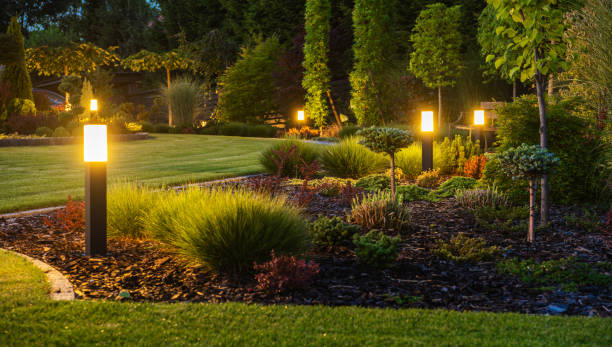
Modern Backyard Outdoor LED Lighting Systems Panoramic Photo of LED Light Posts Illuminated Backyard Garden During Night Hours. Modern Backyard Outdoor Lighting Systems. landscaping stock pictures, royalty-free photos & images

Using Color, Form, and Texture to Transform Your Landscape into a Work of Art

Creating a visually stunning landscape involves more than just planting greenery—it’s about combining color, form, and texture to craft a cohesive outdoor masterpiece. These elements work together to create depth, balance, and interest in your yard or garden. Whether you’re starting from scratch or refining your current space, understanding how to effectively use these principles can elevate your landscape design.

The Role of Color in Landscape Design

Color is one of the most powerful tools in landscaping. It sets the mood and can guide the viewer’s eye through your outdoor space.

  • Warm Colors (Reds, Oranges, Yellows): These vibrant shades draw attention and can make spaces feel more inviting or intimate. Use them in areas where you want to create focal points.
  • Cool Colors (Blues, Greens, Purples): These tones are calming and work well in creating tranquil environments. They also visually recede into the background, which can make small spaces appear larger.
  • Neutral Colors (Whites, Greys): These hues provide balance between bold elements while adding elegance and simplicity.
Tips for Incorporating Color:
  1. Use seasonal flowers to keep your landscape evolving throughout the year.
  2. Group plants with complementary colors for harmony.
  3. Create contrast with opposing shades (e.g., pairing red flowers with green foliage).

The Importance of Form in Landscaping

Form relates to the shape and structure of plants as well as hardscape elements like pathways or furniture.

  • Vertical Forms: Tall trees or shrubs add height and create visual interest without taking up much ground space.
  • Horizontal Forms: Ground covers or sprawling plants help fill out large areas while encouraging flow across the yard.
  • Rounded Forms: Bushes with rounded shapes can soften hard angles in patios or buildings.
Practical Applications:
Landscape Element Suggested Forms Purpose
Trees Columnar Add vertical accents
Shrubs Rounded Provide structure around walkways
Flower Beds Sprawling Fill gaps; connect features

Adding Texture for Dimension

Texture refers to how surfaces look and feel; it applies not only to plant foliage but also to hardscape materials like stones or wood.

  • Fine Texture: Plants with small leaves (e.g., ferns) create an airy look that blends well into backgrounds.
  • Coarse Texture: Bold leaves (like hostas) catch the eye quickly; they are ideal for focal points.

Pairing contrasting textures—such as smooth paving stones next to feathery grasses—creates balance while maintaining visual interest.

Blending Elements for Artistic Harmony

For a truly transformative landscape: 1. Start by planning zones based on color schemes that complement your home’s exterior. 2. Mix plant forms strategically: Use tall forms at back edges for height while incorporating rounded shapes as foreground accents.
3. Experiment with textures by layering coarse against fine foliage across borders or pathways.

By thoughtfully weaving together color palettes, structural forms, and diverse textures within your outdoor design plan, you’ll achieve a landscape that feels both polished and dynamic—a true work of art tailored uniquely to your property.

Focalization in Landscaping: Creating Eye-Catching Features for Maximum Visual Appeal

Focalization is a critical element of landscape design, enabling homeowners to draw attention to specific features within their outdoor space. Whether you’re designing your yard from scratch or enhancing an existing layout, incorporating focal points can elevate the overall aesthetic appeal and create a cohesive and visually engaging environment. Below, we explore what focalization means in landscaping, why it matters, and how you can effectively implement it.

What is Focalization in Landscaping?

Focalization refers to the process of intentionally guiding the viewer’s eye toward a specific element in your landscape. This could be anything from a dramatic water feature to a stunning specimen plant. A well-placed focal point provides visual interest, adds depth, and creates a sense of balance by anchoring the design.

Why is Focalization Important?

  • Visual Interest: A strong focal point naturally draws attention, reducing monotony and making the space feel dynamic.
  • Guiding Movement: Focal points help lead visitors through the landscape by subtly directing their gaze.
  • Enhancing Balance: Strategically placed features can balance different elements across the yard for better harmony.
  • Highlighting Key Features: Use focalization to showcase standout features that reflect your personal style or complement your home’s architecture.

Examples of Effective Focal Points

  1. Ponds, fountains, or waterfalls create movement and soothing sounds that attract attention.
  2. A unique tree like a Japanese maple or an exotic flowering shrub can instantly become the star of your yard.
  3. Statues, birdbaths, or even modern art pieces make for captivating visual accents.
  4. Pergolas or benches surrounded by lush greenery encourage gathering while doubling as functional focal points.
  5. Structures like trellises covered with climbing plants provide inviting entryways into garden areas.
Focal Point Type Example Features Benefits
Water Feature Fountain, Pond Adds movement and sound
Specimen Plant/Tree Japanese Maple Highlights unique natural beauty
Sculpture/Ornament Birdbath Adds personality and artistic appeal
Seating Area Pergola with Bench Combines functionality with aesthetics
Structural Element Trellis with Vines Defines spaces while drawing attention

Tips for Incorporating Focal Points

  • Placement Matters: Position focal elements strategically where they stand out but do not overwhelm other parts of the design.
  • Scale Appropriately: Ensure that the size of your chosen feature complements both your outdoor space’s size and surrounding elements.
  • Use Contrast: Highlight key features using contrasting colors, textures, or materials to make them pop visually.
  • Lighting Enhancements: Add landscape lighting around focal points like trees or statues for nighttime impact.
  • Avoid Overcrowding: Be selective—too many competing features can reduce clarity and create visual clutter.

By understanding how to effectively use focalization in landscaping, you can transform any outdoor space into an inviting retreat filled with character and interest. Thoughtful placement of eye-catching elements ensures cohesion while allowing each section of your yard to shine independently yet harmoniously with other components.


Boston MA Landscaping Company: Everything You Need to Know for Beautiful Outdoor SpacesBoston MA Landscaping Company: Everything You Need to Know for Beautiful Outdoor Spaces

Aerial View of Modern Backyard with Vegetable Garden Aerial View of Modern Beautiful Backyard Garden with Three Vegetables Wooden Pots. Summer Time in a Garden. landscaping stock pictures, royalty-free photos & images

A well-maintained outdoor space can transform any property, adding value, functionality, and aesthetic appeal. Landscaping services encompass a wide range of activities aimed at creating and maintaining beautiful outdoor environments. Whether you’re a homeowner looking to enhance your backyard or a business owner seeking to create an inviting space for clients, understanding the scope of landscaping services is essential for achieving your goals.

What Are Landscaping Services?

Landscaping services refer to the professional planning, design, installation, and maintenance of outdoor spaces. These services can include everything from planting flowers and grass to designing intricate hardscapes such as patios or walkways. Professional landscapers work with property owners to create customized solutions that reflect their vision while considering environmental factors like soil type, climate conditions, and water availability.

Key Benefits of Professional Landscaping

  1. A professionally landscaped yard improves the overall appearance of your property.
  2. Creates a welcoming environment for guests or clients.
  3. Studies show that quality landscaping can boost property values by up to 15%.
  4. Functional designs improve usability while adding visual appeal.
  5. Incorporating native plants reduces water usage and promotes biodiversity.
  6. Proper irrigation systems prevent water waste.
  7. Outdoor spaces provide areas for relaxation and recreation.
  8. Well-designed landscapes contribute to mental well-being by reducing stress levels.

Types of Landscaping Services

Category Services Included
Lawn Care Mowing, fertilizing, weed control, aeration
Garden Design Planting flowers, shrubs, trees; establishing garden beds
Hardscaping Designing/installing patios, walkways, retaining walls
Irrigation Systems Installing/maintaining sprinklers or drip irrigation systems
Landscape Lighting Installing outdoor lights for safety and ambiance
Seasonal Maintenance Mulching in spring; leaf removal in fall; snow removal in winter

Choosing the Right Landscaping Company

  • Experience: Look for companies with proven expertise in both simple maintenance tasks and complex design/build projects.
  • Portfolio: Review their previous work to ensure their style aligns with your vision.
  • Certifications: Verify that they have the necessary licenses and certifications (e.g., horticulture specialists).
  • Customer Reviews: Check online reviews or ask for references from past clients to gauge satisfaction levels.
  • Sustainability Practices: If eco-friendly options are important to you, confirm that the company incorporates sustainable techniques into its services.

By understanding the scope of landscaping services available and choosing a professional partner who aligns with your needs, you can create outdoor spaces that are not only beautiful but also functional and sustainable over time.

Comprehensive Service Lists Offered by Top Landscapers Boston

A comprehensive landscaping service list is essential for property owners who seek a beautifully maintained and functional outdoor space. Whether you’re designing a new landscape or maintaining an existing one, knowing the full scope of services available can help you make informed decisions that align with your goals, budget, and vision.

The Importance of a Comprehensive Service List for Lawn Care Boston MA

A detailed landscaping service list helps homeowners and businesses:
Plan effectively: Understand what services are available to meet short-term and long-term landscaping goals.
Budget wisely: Estimate costs by identifying which services are necessary versus optional.
Maximize property value: Choose enhancements that improve curb appeal and functionality.
Ensure long-term upkeep: Identify regular maintenance options to keep outdoor spaces healthy year-round.

Key Categories in a Landscaping Service List

Design and Planning Services

  • Customized landscape designs based on property layout.
  • 3D rendering or conceptual sketches to visualize potential outcomes.
  • Plant selection tailored to climate, soil type, and aesthetic preferences.

Softscaping

Softscaping involves the living elements of your landscape: – Lawn installation (sod or seed). – Planting trees, shrubs, flowers, and groundcover. – Mulching and soil preparation for optimal plant health.

Hardscaping

Hardscape elements add structure to your outdoor spaces: – Patio construction using stone, brick, or concrete.
– Retaining walls for erosion control or multi-level landscapes.
– Pathways made from pavers or gravel for seamless movement.

Irrigation Systems

Efficient watering systems ensure plants thrive: – Installation of sprinkler systems tailored to property zones. – Drip irrigation for water-smart landscaping. – Seasonal maintenance such as winterization.

Maintenance Services

Regular upkeep keeps landscapes healthy and attractive:
| Services Offered | Frequency | Benefits |
|————————–|————————————-|——————————————————–|
| Lawn mowing | Weekly during active growing season| Maintains uniform appearance; prevents overgrowth |
| Fertilization | Quarterly | Boosts plant growth; improves lawn thickness |
| Pruning/trimming | Seasonal | Encourages healthy growth; enhances aesthetics | | Weed control | As needed | Prevents invasive species from damaging the landscape |

Specialty Enhancements

These can elevate outdoor spaces into unique retreats:
1. Outdoor lighting installations for ambiance and safety.
2. Water features like fountains or ponds.
3. Fire pits or fireplaces for year-round enjoyment.

Benefits of Partnering with Professionals

Hiring a skilled landscaping company ensures every service is executed with expertise while saving you valuable time and effort. Professionals offer access to high-quality materials, advanced tools, and years of experience—ensuring that your outdoor space remains as beautiful as it is functional over time.

Boston Landscaping: Hardscaping and Outdoor Living for Functional and Aesthetic Spaces

Hardscaping plays a pivotal role in transforming outdoor spaces into areas that are not only visually stunning but also practical for everyday use. Whether it’s designing a serene backyard retreat or a functional entertainment space, hardscaping integrates structural elements into the natural landscape to bring balance, utility, and beauty to your property. Below, we delve deeper into the essentials of hardscaping and how it enhances outdoor living.

Key Elements of Hardscaping

  • Offer spaces for relaxation or entertainment.
  • Can be constructed using pavers, natural stone, composite wood, or concrete.
  • Provide guided movement through your garden or yard.
  • Often use materials like gravel, brick pavers, or flagstone for aesthetics and durability.
  • Help prevent soil erosion while adding a defined structure to sloped landscapes.
  • Built with materials such as stacked stone or poured concrete for strength and elegance.
  • Serve both functionality and curb appeal when designed with appropriate textures and patterns.
  • Fire Features (e.g., Fire Pits & Outdoor Fireplaces)
  • Add warmth for evening gatherings while enhancing the ambiance of the space.
  • Water Features (e.g., Fountains & Ponds)
  • Introduce tranquility with the sound of flowing water while boosting the property’s aesthetic appeal.

Benefits of Hardscaping in Outdoor Spaces

  1. Low Maintenance Hardscape features require minimal upkeep compared to lawns or gardens that demand regular watering or pruning.
  2. Durability Materials like stone and concrete are weather-resistant, ensuring longevity even under harsh conditions.
  3. Increased Property Value Well-designed hardscape elements can greatly enhance curb appeal, making properties more attractive to potential buyers.
  4. Improved Functionality Patios, walkways, and decks create defined zones for activities such as dining or hosting events outdoors.

Designing Your Outdoor Living Space

  1. Start by assessing your space – consider terrain types, existing vegetation, drainage needs, etc.
  2. Prioritize multi-functional designs – combine seating areas with fire features or merge pathways into garden zones.
  3. Match materials to architecture – ensure colors/textures align harmoniously with your home’s exterior style.
  4. Incorporate lighting – accentuate pathways or steps for safety while creating a mood-setting effect during evenings.
Feature Ideal Material Options Primary Benefit Additional Consideration
Patios/Decks Natural stone/composite wood Entertainment/Relaxation Requires proper grading
Retaining Walls Concrete/Stacked Stone Erosion control + visual appeal Drainage behind walls is essential
Walkways Brick/Gravel/Concrete Ease of navigation through landscapes Lighting can enhance usability

Combining Hardscape with Softscape

  • Surround patios with shrubs to soften edges.
  • Pair retaining walls with cascading flowers for vibrant contrast.
  • Add planters around water features for an organic touch.

Integrating these strategies ensures that your outdoor living spaces remain inviting yet refined—a perfect blend of structure and nature designed for lasting enjoyment all year round.

Small downtown Toronto urban back yard garden in summer. A beautiful small, urban backyard garden featuring a tumbled paver patio, flagstone stepping stones, and a variety of trees, shrubs and perennials add colour and year round interest. landscaping stock pictures, royalty-free photos & images

Hardscaping and Outdoor Living: Creating Functional and Aesthetic Spaces

Hardscaping plays a pivotal role in transforming outdoor areas into functional and visually appealing spaces. By integrating features such as patios, walkways, retaining walls, and outdoor kitchens, hardscaping enhances the usability of your property while complementing its natural elements. Below is an overview of how hardscaping contributes to both functionality and aesthetics.

Key Features of Hardscaping

  • Serve as central gathering areas for relaxation or entertaining guests.
  • Available in materials such as concrete, pavers, natural stone, or brick for durability and style.
  • Provide structure to your landscape by guiding movement throughout the space.
  • Materials like flagstone or gravel can add charm while enhancing accessibility.
  • Help manage uneven terrain by preventing soil erosion.
  • Can serve as decorative focal points when constructed with aesthetic materials like stacked stone or timber.
  • Extend your living space by creating areas for cooking and dining outside.
  • Popular options include built-in grills, countertops, sinks, and storage solutions to maximize convenience.

Benefits of Hardscaping

  1. Durability: Unlike softscape elements like plants or lawns that require regular upkeep, hardscape structures are long-lasting with minimal maintenance needs.
  2. Increased Property Value: High-quality hardscaping enhances curb appeal and boosts resale value.
  3. Weather Resistance: Materials such as stone or brick are resistant to weather fluctuations, ensuring year-round usability.
  4. Customization Options: From modern minimalism to rustic charm, designs can be tailored to match any aesthetic preference.

Best Practices for Integrating Hardscape with Softscape

  • Use complementary colors and materials that blend seamlessly with the surrounding environment.
  • Incorporate greenery around patios or along pathways to soften edges.
  • Add lighting fixtures along walkways or around key features to enhance ambiance at night.
  • Balance proportions—avoid overcrowding small spaces with large structures.
Hardscaping Feature Material Options Primary Purpose
Patios Concrete, Pavers Entertainment & Relaxation
Walkways Flagstone, Gravel Navigation
Retaining Walls Stacked Stone, Timber Erosion Control & Aesthetics
Outdoor Kitchens Stainless Steel Appliances; Granite Countertops Cooking & Dining

Choosing the Right Hardscaping Professionals

  • Look for companies experienced in blending functionality with artistic design principles.
  • Verify licensing and check references to ensure reliability.
  • Discuss project timelines, budget expectations, and material preferences upfront.

By thoughtfully incorporating well-designed hardscape features into your landscape plan, you can create a welcoming outdoor area that merges beauty with purpose while adding lasting value to your property.

Boston MA Landscaper Offering Seasonal and Specialty Services Year-Round

Landscaping is not just about creating a visually appealing outdoor space; it’s also about maintaining and enhancing that space throughout the year. Each season brings unique challenges and opportunities for your property, which makes seasonal and specialty landscaping services essential. These tailored services ensure your outdoor areas remain vibrant, safe, and functional no matter the time of year.

Seasonal Landscaping Services

Spring:
– Soil testing to prepare for planting season
– Lawn aeration to promote healthy growth
– Planting of seasonal flowers, shrubs, or trees
– Mulching to retain moisture and improve aesthetics

Summer:
– Lawn mowing and edging services for a well-maintained look
– Irrigation system checks to optimize water usage
– Tree trimming for safety and overall plant health
– Pest control solutions to protect plants from potential damage

Fall:
– Leaf removal to prevent lawn suffocation
– Fertilization to strengthen grass before winter dormancy
– Pruning trees and shrubs to encourage proper growth patterns
– Winterizing sprinkler systems to avoid freezing damage

Winter:
– Snow removal from driveways, walkways, or patios (where applicable)
– Protection measures for sensitive plants using burlap wraps or other coverings
– Ice management using environmentally friendly deicing products
– Installing or maintaining outdoor lighting for aesthetic appeal during darker months

Specialty Landscaping Services

  1. Landscape Lighting Design: Illuminating pathways, gardens, or water features adds both safety and ambiance during evenings. Energy-efficient LED options can minimize long-term costs.
  2. Erosion Control Solutions: Prevent soil erosion through techniques like retaining wall installation, planting ground covers, or incorporating native plants with deep root systems.
  3. Edible Landscaping: Combine beauty with functionality by integrating fruit trees, vegetable gardens, herbs, or edible flowers into your design plan.
  4. Pollinator-Friendly Gardens: Attract bees, butterflies, and birds using native flowering plants while contributing positively to the local ecosystem.
  5. Seasonal Displays & Décor: Celebrate holidays or special occasions with temporary garden displays such as themed flower beds or custom hardscape décor elements like holiday lights.

Benefits of Seasonal & Specialty Services

Benefit Impact
Improved Aesthetic Value Keeps landscapes looking fresh and well-maintained throughout the year
Increased Property Value Enhancing curb appeal can boost resale value significantly
Environmental Conservation Sustainable practices reduce waste while promoting ecological balance
Year-Round Usability Ensures outdoor spaces remain accessible regardless of weather

Tailoring landscaping efforts based on seasonality ensures that you’re not only protecting but also continually improving the value of your investment in your outdoor spaces. By combining seasonal maintenance with specialty services geared toward innovation and sustainability, homeowners can enjoy landscapes that are both stunning and practical throughout the year.

Elegant LED Illuminated Residential Back Yard Garden Aerial View. Elegant Small Residential Back Yard Garden Illuminated by Outdoor Lights Aerial View. landscaping stock pictures, royalty-free photos & images

Seasonal and Specialty Landscaping Services to Enhance Your Property Year-Round

Landscaping isn’t just about creating a beautiful outdoor space; it’s also about maintaining and adapting your landscape throughout the year. Different seasons bring unique challenges and opportunities for property owners, making seasonal and specialty landscaping services an essential part of comprehensive landscape care. Below, we explore how these services can keep your outdoor spaces functional, healthy, and visually appealing all year long.

Seasonal Landscaping Services

Seasonal landscaping services are tailored to the specific needs of your property during different times of the year. These services ensure your outdoor spaces remain vibrant and well-maintained despite weather variations.

Spring Services:
Soil preparation: Aeration, fertilization, and soil conditioning to promote plant growth.
Planting: Adding new flowers, shrubs, or trees to refresh your landscape after winter.
Mulching: Applying fresh mulch to improve soil moisture retention and reduce weed growth.
Lawn care: Overseeding and treating lawns for pests or diseases common in spring.

Summer Services:
Irrigation system maintenance: Ensuring efficient watering to prevent drought stress on plants.
Weed control: Regular removal of weeds that thrive in warm conditions.
Pruning and trimming: Maintaining the health and shape of trees, hedges, and shrubs during peak growth periods.
Outdoor lighting checks: Inspecting pathways or garden lights for functionality.

Fall Services:
Leaf cleanup: Removing fallen leaves to prevent lawn suffocation or fungal growth.
Seasonal planting: Adding autumnal blooms like chrysanthemums or ornamental grasses for visual interest.
Winter preparation: Pruning trees, insulating plants, and cleaning out flower beds before cold weather arrives.

Winter Services:
Snow removal (where applicable): Clearing pathways for safety while protecting underlying greenery from damage.
Protective coverings for plants: Using burlap wraps or other materials to shield sensitive plants from frost damage. – Hardscape maintenance checks: Ensuring patios, walkways, or retaining walls are free from cracks caused by freezing temperatures.

Specialty Landscaping Services

Specialty landscaping focuses on unique features that enhance your property’s aesthetic appeal while addressing specific needs or preferences.

Holiday Decoration Support: Many landscaping companies offer installation of seasonal decorations such as string lights, wreaths, garlands, or festive planters that align with holiday themes.

Wildlife-Friendly Landscaping: Designing landscapes that attract pollinators like bees or butterflies by including native plant species or adding bird feeders can boost biodiversity in your yard.

Feature Benefits
Native Plant Gardens Reduce water usage & promote local biodiversity
Pollinator Plants Attract bees & butterflies for ecological balance

Edible Landscaping: Incorporating fruit trees, herb gardens, vegetable patches into landscapes ensures both beauty and functionality while encouraging sustainable practices.

Benefits of Year-Round Landscape Care

  1. Enhanced curb appeal through consistent maintenance tailored to each season’s requirements.
  2. Healthier plants due to proactive care strategies such as pruning dead branches before winter storms.
  3. Higher property value driven by thoughtful additions like pollinator-friendly gardens or decorative hardscapes.
  4. Reduced long-term costs through preventive measures like irrigation adjustments during dry periods.

By customizing your approach throughout the year with these specialized services at hand—whether it’s preparing flowerbeds during spring rains or safeguarding delicate blooms against harsh frosts—your outdoor space remains both functional & stunning across every season seamlessly transformed.


How to Choose the Best Landscapers Boston Offers for Your Outdoor ProjectsHow to Choose the Best Landscapers Boston Offers for Your Outdoor Projects

A beautiful landscaped garden of flowers Beautiful garden during the Spring. landscaping stock pictures, royalty-free photos & images

Choosing the right landscaping contractor is crucial to achieving the outdoor space you envision. With numerous options available, it can be overwhelming to select a company that aligns with your needs and preferences. Below are some key steps and considerations to help you make an informed decision.

Expert Lawn Care Boston MA Services to Assess Your Needs

Before reaching out to contractors, take time to define your project scope and goals. Ask yourself these questions:
– What features do I want in my yard? (e.g., patio, garden beds, water features)
– What is my budget for this project?
– Do I need ongoing maintenance services once the project is complete?

Having clarity about your expectations will make it easier to communicate with potential contractors and evaluate their proposals.

Research Local Contractors

Finding reputable contractors requires thorough research. Here are some ways to identify qualified professionals:
Online Reviews & Ratings: Check platforms like Google Reviews, Yelp, or Angi (formerly Angie’s List) for feedback from past clients.
Portfolio of Work: Review their website or social media profiles for photos of completed projects similar in style and scope to what you’re envisioning.
Referrals: Ask friends, family members, or neighbors who have had landscaping work done recently for recommendations.

Verify Credentials & Experience

Not all landscaping contractors are created equal. Ensure your chosen contractor has the appropriate licenses, certifications, and insurance coverage required in your area. Additionally, ask about their experience with projects similar to yours:
– Do they specialize in residential or commercial landscapes?
– Have they worked on designs that include specific elements like retaining walls or irrigation systems?

A contractor’s expertise in handling challenges unique to your project can be a significant advantage.

Credential/Requirement Why It’s Important
Proper Licensing Ensures compliance with local laws/regulations
Liability Insurance Protects you from financial responsibilities
Certifications (e.g., ICPI) Demonstrates advanced training/skills

Request Detailed Estimates

Once you’ve narrowed down your options, request written estimates from at least three contractors. These should include:
1. A breakdown of materials costs (e.g., plants, hardscaping materials).
2. Labor fees and a timeline for project completion.
3. Any warranties provided for workmanship or materials used.

Avoid choosing solely based on price; instead, focus on value—considering quality of work and reputation as well.

Evaluate Communication & Professionalism

Clear communication is essential throughout any landscaping project. During initial consultations or site visits:
– Assess how well the contractor listens to your ideas and answers questions. – Observe whether they provide creative solutions tailored to your space. – Note their punctuality and overall professionalism during interactions.

A contractor who prioritizes clear communication will make the process smoother from start to finish.

Trust Your Instincts

Finally, trust your gut when making a decision. If something feels off—whether it’s vague responses during consultations or unreasonably low pricing—it may be best to look elsewhere.

By taking these steps—defining goals clearly, researching thoroughly, verifying credentials carefully—you’ll be well-equipped to select a reliable landscaping contractor capable of turning outdoor dreams into reality while staying within budget parameters.

3 Advantages of Hiring a Professional for Boston Landscaping to Elevate Your Yard

Hiring a professional landscape contractor can make all the difference when it comes to creating and maintaining a beautiful, functional outdoor space. Whether you’re looking to transform your backyard into an oasis or simply increase curb appeal, professionals bring expertise and efficiency that help you achieve superior results. Below are three key advantages of working with a professional landscape contractor.

1. Expertise in Design and Execution

A professional landscape contractor brings years of experience and specialized training to every project. This expertise allows them to:
– Assess your property’s unique conditions, such as soil composition, sunlight exposure, and drainage needs.
– Create custom designs tailored to your preferences, lifestyle, and budget.
– Choose plants, materials, and features that complement the natural environment while enhancing aesthetics.

Expertise Area Benefits
Plant Selection Professionals select plants suited to your climate for long-term growth
Hardscaping Design Skilled planning ensures durable patios, walkways, or retaining walls
Irrigation Systems Properly installed systems save water while keeping landscapes healthy

This combination of technical skills and creative vision ensures that your outdoor space not only looks stunning but also functions effectively for years to come.

2. Time Efficiency and Project Management

Landscaping projects can be time-consuming and complex without proper oversight. By hiring a professional:
– You save valuable time by avoiding trial-and-error methods or prolonged DIY efforts. – Contractors handle logistics such as material sourcing, scheduling, permits (if required), and labor coordination. – They ensure projects stay on track with clear timelines while minimizing disruptions to your daily life.

Professionals are equipped with the right tools and resources from the start, which prevents costly mistakes or delays caused by inexperience.

3. Long-Term Cost Savings

Proper Installation
Professionals ensure that plants are installed correctly with attention paid to soil preparation and spacing requirements—reducing potential replacements due to plant failure.

Efficient Use of Materials
Contractors have access to wholesale pricing on high-quality materials unavailable at retail stores. Additionally:
– They know how much material is needed for each phase of the project—preventing over-purchasing or waste. – Their expertise minimizes errors that could incur additional repair costs down the road.

Enhanced Property Value
A professionally designed landscape can increase property value significantly if you plan on selling in the future. Features like well-maintained greenery, attractive hardscapes, or outdoor living areas add curb appeal that catches buyers’ attention.

Working with a professional landscape contractor provides more than just aesthetic enhancements—it offers peace of mind knowing your yard is being handled by skilled experts who prioritize quality results. From thoughtful design concepts through seamless execution, they turn visions into reality while making outdoor spaces both functional and inviting.

3 Advantages of Hiring a Boston MA Landscaper to Elevate Your Yard

Hiring a professional landscape contractor can transform your yard into an aesthetically pleasing and functional outdoor space. While some homeowners may attempt to tackle landscaping projects themselves, there are distinct advantages to entrusting this work to skilled professionals. Below, we explore three key benefits of hiring a professional landscape contractor.

1. Expertise and Knowledge

Professional landscape contractors bring years of experience and specialized knowledge to every project. Their expertise ensures that your yard’s design is not only visually appealing but also functional and sustainable.

  • Plant Selection: They understand which plants thrive in your specific climate, soil type, and sun exposure. This reduces the risk of wasted resources on plants that fail to grow or require excessive maintenance.
  • Design Principles: Professionals are trained in spatial planning, creating layouts that optimize both aesthetics and usability.
  • Eco-Friendly Solutions: Many contractors use environmentally-friendly practices such as water-efficient irrigation systems or native plants to reduce water consumption.

With their knowledge, professionals can help you avoid costly mistakes often made during DIY projects while ensuring long-term success for your landscaping efforts.

2. Time and Effort Savings

Landscaping projects require a significant investment of time and physical effort that homeowners may not have available. Hiring a professional allows you to focus on other priorities while they handle the work efficiently.

  • Complex Projects: Tasks like grading the land, building retaining walls, or installing drainage systems can be labor-intensive and time-consuming without the right expertise or equipment.
  • Project Management: Professionals manage every aspect of the process—from obtaining permits (if necessary) to sourcing materials—ensuring deadlines are met without unnecessary delays.
  • Maintenance Plans: Many contractors offer ongoing maintenance services after project completion so you can keep your yard looking pristine with less effort on your part.

By delegating these responsibilities to a skilled contractor, you save yourself from potential frustration while ensuring top-quality results.

3. Increased Property Value

A professionally designed and maintained landscape significantly enhances curb appeal, which can increase your home’s overall value. Beyond aesthetic upgrades, strategic landscaping choices can provide functional benefits that attract prospective buyers.

Landscaping Element Impact on Property Value
Mature Trees Shade, energy efficiency & appeal
Outdoor Living Spaces High ROI; added functionality
Well-Planned Plantings Boosts first impressions

Additionally:
– Thoughtful hardscaping features like patios or walkways create usable spaces for relaxation or entertaining guests. – Landscape lighting enhances safety and highlights key features at night.

According to real estate experts, investing in professional landscaping often yields returns far exceeding initial costs when selling a home.

Entrusting your yard transformation to a qualified landscape contractor ensures expert guidance at every step—from design through installation—while saving time and boosting property value. This professional touch elevates not only the beauty of your outdoor space but also its functionality for years ahead.

Planting a celosia flower garden around a house Wheelbarrow standing on a neat manicured green lawn alongside a flowerbed while planting a celosia flower garden around a house with fresh spring plants landscaping stock pictures, royalty-free photos & images

3 Ways to Incorporate Hardscaping Features into Your Yard Design

Hardscaping is an essential element of outdoor design that complements natural landscaping features like plants, trees, and grass. Incorporating hardscape elements into your yard can elevate its aesthetic appeal, improve functionality, and enhance the overall flow of your outdoor space. Below are three effective ways to seamlessly integrate hardscaping features into your yard design.

1. Create Defined Pathways and Walkways

  • Material Choices:
    Opt for materials like pavers, cobblestones, gravel, or stamped concrete to create durable and stylish paths.
  • Use curved pathways for a more organic look that blends with natural landscaping elements.
  • Straight-lined paths work well in modern or minimalist designs.
  • Lighting Integration:
    Add pathway lighting to highlight the walkways during the evening while improving safety.
Material Pros Cons
Pavers Durable, versatile styles Can be costly to install
Gravel Affordable, easy installation Requires regular maintenance
Stamped Concrete Customizable patterns Susceptible to cracking over time

2. Build Elegant Outdoor Living Areas

  • Use stone or brick for a timeless aesthetic.
  • Opt for composite decking material if durability and low maintenance are priorities.
  • Seating Areas:
    Built-in seating made of stone or wood can add both functionality and charm to your outdoor space.
  • Functional Additions:
    Consider adding fire pits, pergolas, or gazebos as focal points that tie the entire space together.

Patios not only extend living space but also increase property value by creating multi-use zones that blend seamlessly with surrounding greenery.

3. Incorporate Retaining Walls for Structure and Style

  • Natural stone offers a rustic look ideal for traditional landscapes.
  • Concrete blocks work well in modern designs due to their sleek appearance.
  • Combine retaining walls with built-in seating or planters.
  • Use tiered retaining walls to create visually stunning levels within your yard.
Benefit Example Feature
Erosion Control Prevents soil from shifting on slopes
Increased Usable Space Creates flat areas in uneven terrain
Aesthetic Appeal Adds texture and depth to landscape

Final Thoughts

Incorporating hardscaping features such as pathways, outdoor living areas, and retaining walls allows homeowners to create visually appealing yet highly functional yards. Proper planning ensures these elements complement softscape features like plants while contributing significantly toward improving usability and increasing property value over time.

How a Boston MA landscaping company can maximize small spaces and transform your outdoor area

Maximizing small outdoor spaces is both an art and a science. Landscape designers specialize in creating functional, beautiful environments that make the most of every square foot. With creative planning, practical solutions, and innovative design techniques, even the smallest outdoor areas can be turned into remarkable spaces for relaxation, entertaining, and enjoyment. Here are some ways landscape designers can transform your compact outdoor area.

Strategic Space Planning

Landscape designers excel in efficient space planning to ensure every inch of your yard is utilized effectively. By considering your lifestyle needs and overall vision for the space, they can incorporate:
Defined Zones: Separate areas for dining, lounging, or gardening help create visual interest while maintaining functionality.
Vertical Design: Using vertical elements like trellises, wall planters, or climbing plants maximizes usable space without overcrowding the area.
Pathways with Purpose: Well-designed walkways can guide movement through the space while adding style and structure.

Using Multi-Functional Elements

In smaller yards, every feature should serve multiple purposes to conserve space while meeting diverse needs. Designers often recommend:
Built-In Seating: Benches with storage options provide seating while doubling as a practical solution to store cushions or gardening tools.
Foldable or Portable Furniture: Space-saving furniture that can be folded away or moved easily adapts to changing needs.
Dual-Purpose Structures: Retaining walls that double as seating areas or garden beds add both utility and aesthetic value.

Maximizing Greenery with Creative Planting

Small spaces don’t mean sacrificing greenery. Thoughtful planting strategies can create lush environments without overcrowding:
Layered Planting Design: Combining ground covers, shrubs, and small trees adds depth without overwhelming the area.
Container Gardens: Portable planters allow flexibility in experimenting with plant arrangements while saving ground space.
Edible Landscaping: Incorporating herbs or compact fruits like dwarf citrus trees adds functionality to decorative greenery.

Plant Type Example Options Benefits
Ground Covers Creeping Thyme, Dichondra Softens hardscape edges
Vertical Plants Climbing Roses, Clematis Saves horizontal space
Compact Trees Japanese Maple, Dwarf Lemon Adds structure & shade

Hardscaping for Functionality and Style

Hardscaping elements are essential in transforming small yards into functional yet stylish areas:
1. Small patios made from natural stone or concrete pavers provide a sturdy foundation for outdoor furnishings. 2. Mirrors on walls or fences create an illusion of extended space by reflecting light. 3. Water features like small fountains enhance ambiance without taking up much room.

Lighting Enhancements

Proper lighting can make a compact yard feel more spacious while ensuring usability during evenings:
– String lights overhead define zones without cluttering valuable floor space. – Solar-powered pathway lights improve safety and charm. – Spotlights directed at landscaping features draw attention upward and expand perceived dimensions.

By combining these approaches with their expertise in design trends and spatial problem-solving, landscape designers are skilled at transforming even the smallest outdoor spaces into inviting sanctuaries tailored to your needs. Whether you aim for a peaceful retreat or an entertainment hub, professional designers have the tools to bring your vision to life within limited dimensions.


Maximizing Your Property’s Potential: How Boston Landscaping Saves Time and MoneyMaximizing Your Property’s Potential: How Boston Landscaping Saves Time and Money

Well landscaped rock stairs and rock wall A backyard with a rock wall and rock stairs with a red tree on top. landscaping stock pictures, royalty-free photos & images

When it comes to maintaining and enhancing your outdoor spaces, hiring professional landscaping services can offer significant benefits. Beyond simply improving aesthetics, expert landscapers streamline processes, save you time, and reduce long-term costs. Here’s how professional landscaping unlocks efficiency while preserving your resources.

Time-Saving Advantages of Professional Landscaping

Managing a landscape can be a time-intensive task. By partnering with professionals, you can redirect your focus to other priorities while ensuring your outdoor space is properly cared for.

  • Expert Knowledge: Landscapers have specialized knowledge about plant care, soil management, and seasonal maintenance schedules.
  • Efficient Tools and Equipment: Professionals arrive equipped with advanced tools that allow them to complete tasks quickly and effectively.
  • Scheduled Maintenance: Recurring services ensure that routine tasks like mowing, pruning, fertilization, and pest control are consistently completed on time.
  • Design Expertise: Instead of spending hours researching or trial-and-error planning for plants or layout designs, professionals create tailored plans from the start.

Financial Benefits of Hiring Experts

While initial costs may seem like an investment upfront, professional landscaping solutions often lead to long-term financial savings by avoiding expensive mistakes or unnecessary expenditures.

  • Reduced Maintenance Costs: Proper plant selection minimizes overgrowth issues and reduces water needs.
  • Enhanced Durability: Professionals install high-quality materials such as pavers or retaining walls that last longer than DIY alternatives.
  • Pest Prevention: Proactive approaches by experts prevent pest infestations that could damage your lawn or plants.
Cost Comparison Table: DIY vs Professional Landscaping
Task Average DIY Cost Average Professional Cost Additional Notes
Lawn Installation $500 – $1,000 $1,500 – $2,500 Professionals ensure proper grading & soil preparation.
Regular Maintenance $50/month $80/month Consistent quality without personal labor investment.
Irrigation System Repair $200 $300 Experts avoid misdiagnosis & further damages.

Over time, the professional approach ensures better longevity while minimizing repair work.

Environmentally-Conscious Solutions

  • Installation of smart irrigation systems for precise water usage.
  • Use of native plant species requiring less water and maintenance.
  • Soil testing to determine optimal fertilization techniques.

These practices not only reduce environmental impact but also prevent excessive costs linked to water overuse or improper plant care.

The Role of Strategic Design in Efficiency

  1. Creating functional layouts with clear paths reduces wear on grassy areas.
  2. Grouping plants based on sunlight or watering needs eliminates overwatering risks.
  3. Installing features like mulch beds helps retain soil moisture while cutting down on water requirements.

By integrating thoughtful design with skilled execution, professionals help homeowners enjoy beautifully maintained outdoor spaces without unnecessary effort or expense.

Unlocking efficiency through professional landscaping means more than just a visually appealing yard; it’s about transforming the way you interact with your outdoor environment—saving valuable time while strategically managing resources for long-term value.

Enhance Your Property Value and Curb Appeal with a Boston MA Landscaper

When it comes to increasing the value of your property and improving its curb appeal, professional landscaping plays a critical role. Whether you’re preparing to sell or simply want to enjoy a more attractive home, an expertly designed landscape can make all the difference.

The Impact of Landscaping on Property Value

  • First impressions matter: A beautiful front yard instantly grabs the attention of potential buyers or visitors.
  • Functional outdoor spaces: Features like patios, walkways, decks, or fire pits extend usable living areas.
  • Long-term investment: Trees, shrubs, and lawns that are properly installed and maintained mature over time, boosting their aesthetic and financial value.
Survey Data on Landscaping ROI
Feature Average ROI (%)
Well-Maintained Lawn 267
Patio Installation 100-200
Native Plant Integration 150
ROI percentages based on industry surveys.

Enhancing Curb Appeal with Expert Touches

  1. Lush Lawns – A green, healthy lawn is one of the most noticeable features for any property. Professionals ensure proper grading, drainage, seeding, and fertilization to achieve vibrant grass.
  2. Defined Edges – Cleanly edged flower beds and pathways create a crisp appearance that ties the entire space together aesthetically.
  3. Colorful Plants & Flowers – Strategic placement of seasonal blooms adds vibrancy while complementing architectural design.
  4. Lighting Solutions – Outdoor lighting not only improves safety but also highlights key landscape features at night.
  5. Stonework & Hardscaping – Adding natural stone pathways or retaining walls creates visual interest while adding functional elements.

Why Choose Professional Landscaping?

  • They assess soil conditions and climate compatibility for plantings.
  • Proper selection of plants minimizes maintenance needs while maximizing growth potential.
  • Designers create tailored plans that enhance architecture rather than competing with it.
  • Advanced tools make installation faster and more efficient.

By investing in professional landscaping services, you’re not only elevating your property’s beauty but also ensuring that its value appreciates over time—making it a wise decision both financially and aesthetically.

Transform Your Outdoors with a Leading Boston MA Landscaping Company

Transforming your outdoor space into a functional, inviting extension of your home is an innovative way to enhance both comfort and utility. With creative landscaping designs, you can craft spaces that cater to relaxation, entertainment, or family activities while seamlessly blending nature with functionality.

Benefits of Extending Your Living Space Outdoors

  • Increased Usable Space: Outdoor living spaces add square footage that can be used for dining, lounging, or entertaining.
  • Enhanced Lifestyle: A well-designed yard encourages outdoor activities like grilling, gardening, or simply unwinding after a long day.
  • Improved Property Value: Thoughtfully designed landscapes often attract potential buyers and boost the resale value of your property.

Creative Ideas for Outdoor Living

  1. Install a patio with durable materials like flagstone or concrete pavers.
  2. Add a dining table set under a pergola for shade and ambiance.
  3. Incorporate a fire pit surrounded by comfortable seating for cozy evenings.
  4. Upgrade to an outdoor fireplace as a focal point for social gatherings.
  5. Use hedges or trellises covered in climbing plants to create secluded areas.
  6. Add water features like fountains or small ponds for a calming effect.
  7. Equip the space with essentials such as grills, countertops, sinks, and storage cabinets.
  8. Include lighting and weather-resistant appliances to make it versatile during all seasons.
  9. Design spaces for games such as bocce ball courts or putting greens.
  10. Allocate areas for children’s play sets or sandbox installations.

Balancing Aesthetics with Practicality

Feature Purpose Example
Hardscaping Elements Durability & Structure Patios, walkways, retaining walls
Greenery Natural Beauty & Shade Native trees, shrubs, ornamental grasses
Lighting Safety & Atmosphere Path lights, string lights over dining areas
Furniture Comfort & Functionality Weather-resistant lounge chairs and modular seating arrangements

Tips for Achieving Seamless Integration

  • Match design elements (e.g., colors and textures) with those inside your house.
  • Use transitions such as sliding glass doors to connect indoor and outdoor zones effectively.
  • Opt for multi-functional furniture to maximize usability while keeping the area organized.

Investing in professional landscaping services can help you bring these ideas to life while ensuring proper planning and execution tailored specifically to your yard’s layout and needs.

Expert Lawn Care Boston MA Services to Transform Your Home’s Exterior Appeal

A well-designed exterior plays a crucial role in shaping the first impression of your home. Professional landscaping not only enhances the aesthetic appeal of your property but also creates a welcoming atmosphere for visitors and family members alike. Below, we’ll explore various elements that can help transform your home’s exterior into a captivating and inviting space.

Key Elements of an Inviting Exterior

  1. Thoughtful Landscaping Design
    A cohesive and well-planned design is essential for creating a harmonious look that complements your home’s architectural style. Consider incorporating:
  2. Symmetrical arrangements of shrubs or flowerbeds to frame your entryway
  3. Curved walkways or pathways for visual softness
  4. Layered plantings to add depth and texture
  5. Lighting Enhancements
    Outdoor lighting serves both functional and aesthetic purposes. Proper placement can make your home safer while adding charm during evening hours. Key lighting options include:
  6. Pathway lights to guide visitors safely to the entrance
  7. Spotlights to highlight architectural features or focal points in your yard
  8. String lights or lanterns for a cozy, ambient feel
  9. Maintaining Green Spaces
    Lush lawns and healthy greenery are foundational elements of any inviting exterior. Regular lawn care, such as mowing, fertilizing, and aerating, ensures vibrant turf that catches the eye immediately.
  10. Incorporation of Color
    Adding pops of color through flowers or painted features revitalizes dull exteriors. Consider seasonal blooms or perennial plants for year-round vibrancy.
  11. Use of Hardscapes
    Hardscaping elements like patios, retaining walls, and decorative stones enhance usability while adding visual variety to outdoor spaces.

Benefits of Transforming Your Home’s Exterior

Benefits Description
Enhanced Curb Appeal Creates a positive first impression for visitors or potential buyers
Increased Property Value Professionally landscaped exteriors can boost resale value significantly
Improved Functionality Usable outdoor spaces provide areas for relaxation or entertaining guests
Greater Energy Efficiency Strategic planting provides shade and reduces cooling costs

Tips for Achieving Maximum Impact

  • Work with professional landscapers who understand how to balance functionality with visual appeal.
  • Invest in native plants that thrive in your region’s climate for easier maintenance.
  • Incorporate focal points like fountains, sculptures, or statement trees to create an unforgettable look.
  • Regularly maintain all aspects of landscaping—from trimming hedges to cleaning hardscape surfaces—to retain their beauty over time.

By taking these steps, you can create an exterior environment that reflects warmth and elegance while enhancing the overall character of your home. This transformation extends beyond mere appearances—it elevates how you experience outdoor living every day.

Mulching around the Bushes Mulching bed around the house and bushes, wheelbarrel along with a showel. landscaping stock pictures, royalty-free photos & images

Benefits of Advanced Irrigation Systems

  1. Precision Watering:
    Modern irrigation systems, such as drip irrigation or micro-sprinklers, deliver water directly to the root zones of plants. This minimizes evaporation and runoff while ensuring plants receive just the right amount of moisture.
  2. Reduced Water Waste:
    High-efficiency systems are designed to target specific areas rather than watering large sections indiscriminately. This focused approach prevents overwatering, helping you save money on monthly utility bills.
  3. Consistent Coverage:
    Unlike manual watering or outdated sprinkler heads, advanced systems provide even coverage across your lawn and garden beds, preventing dry spots or pooling water.

Incorporating Smart Systems into Landscaping

  • Weather-Based Controllers: These systems monitor local weather patterns and adjust watering schedules accordingly to avoid unnecessary watering during rain or cooler temperatures.
  • Soil Moisture Sensors: Installed underground, these sensors measure how much moisture is present in the soil and signal when it’s time for irrigation to avoid overwatering.
  • Mobile Integration: Many smart controllers allow homeowners to monitor and adjust their irrigation system via smartphone apps, making it easy to manage water usage remotely.
Feature Benefit Example Technology
Weather-Based Controllers Adjusts watering during rain Rachio Smart Sprinkler
Soil Moisture Sensors Prevents overwatering Toro Precision Sense
Mobile Integration Remote monitoring and adjustments Rain Bird ESP-TM2

Long-Term Benefits for Your Landscape

  1. Healthier Plants: Properly managed water ensures that plants thrive without being stressed by drought conditions or excess moisture.
  2. Reduced Maintenance Needs: Efficient watering reduces weed growth and limits disease caused by overwatering, saving you time on upkeep.
  3. Environmental Sustainability: Conserving water helps protect local ecosystems by reducing strain on community resources like reservoirs and aquifers.
  4. Cost Savings Over Time: While advanced irrigation systems may require an initial investment, they pay off long-term through reduced water bills and minimized plant replacement costs caused by improper hydration practices.

Partnering with Experts for Optimal Results

A professional landscaping company has the expertise to design an efficient irrigation layout tailored to your property’s needs. They’ll assess factors such as soil type, plant varieties, sun exposure, and slope dynamics to ensure every area gets appropriate hydration without waste.

By combining cutting-edge technology with expert planning, optimized water conservation becomes both achievable and practical for any homeowner looking to enhance their outdoor space responsibly.

Avoiding Costly Mistakes by Choosing Expert Landscaping Solutions

Engaging professional landscaping services is a strategic investment that can help you steer clear of expensive errors while elevating the overall aesthetic and functionality of your outdoor spaces. Many homeowners and businesses make avoidable mistakes when attempting to undertake landscaping projects themselves, often resulting in higher costs, reduced efficiency, and unsatisfactory results. Below, we explore how expert landscaping solutions can help you avoid these pitfalls while maximizing your investment.

Common Landscaping Mistakes to Avoid

  • Improper Plant Placement: Choosing the wrong plants for specific areas of your yard can lead to plants dying due to mismatched sunlight, soil, or water conditions.
  • Overlooking Drainage Systems: Poor drainage planning can result in water pooling, soil erosion, or even foundational damage to your property.
  • Neglecting Soil Quality: Failing to evaluate or amend soil quality often reduces plant health and growth potential.
  • Overplanting: Crowded plants compete for nutrients and water, leading to unhealthy growth—or worse—plants dying off prematurely.

By partnering with a professional team, you ensure these errors are avoided through careful site inspection and experience-based planning.

Benefits of Expert Landscaping Services

  1. Professionals assess factors like climate, soil type, topography, and available space before creating a custom design tailored for optimal results.
  2. They develop a cohesive plan encompassing aesthetics as well as functionality.
  3. Landscape experts recommend durable materials (e.g., paving stones or native plants) that require minimal maintenance over time—reducing recurring expenses.
  4. They also source high-quality products at competitive prices through trusted suppliers.
  5. Professionals utilize advanced irrigation systems designed to conserve water without compromising plant vitality.
  6. Their expertise ensures minimal waste during installation processes such as grading or planting.
  7. Expert landscapers use industry best practices for planting trees/shrubs or laying hardscaping elements like patios and retaining walls.
  8. Their precision prevents costly repairs down the line caused by poor workmanship.

Financial Impact Comparison Table

Aspect DIY Approach Professional Landscaping
Time Investment High (personal labor required) Low (delegated to experts)
Material Costs Potentially higher Optimized with trade discounts
Long-Term Maintenance Costs Elevated (due to errors) Lower (due to quality work upfront)
Risk of Errors High Minimal

Why It Pays Off in the Long Run

While hiring professionals may involve an upfront cost, it often saves money over time by eliminating rework expenses and reducing ongoing maintenance needs. Additionally, expertly designed landscapes increase property value—a return on investment that can make future resale much more lucrative.

Opting for expert solutions isn’t just about saving money—it’s about securing peace of mind knowing your outdoor environment is built on solid foundations crafted with skillful care. The result is a landscape that thrives year after year without unexpected setbacks draining your resources or enthusiasm.

Incorporating Native Plant Species to Enhance Sustainability and Beauty

Incorporating native plant species into your landscaping design is a powerful way to create a sustainable, low-maintenance, and visually appealing outdoor environment. Native plants are naturally adapted to the local climate, soil conditions, and ecosystem. As a result, they offer significant benefits for both homeowners and the surrounding environment.

Benefits of Native Plants in Landscaping

  • Low Maintenance Requirements: Since these plants are acclimated to their natural habitat, they require less water, fertilizer, and pest control compared to non-native species.
  • Water Conservation: Native plants often thrive with minimal irrigation since they’re accustomed to local rainfall patterns.
  • Support for Local Wildlife: These plants provide food and shelter for pollinators like bees, butterflies, and birds.
  • Resilience Against Pests: Since they’re adapted to their environment, native plants are naturally resistant to many common pests.
  • Cost Savings Over Time: Reduced reliance on fertilizers, pesticides, and water leads to long-term savings.

Popular Native Plants for Landscaping

Region Suggested Native Plants Key Features
Northeast U.S. Eastern Redbud, Purple Coneflower Bright blooms; supports pollinators
Midwest U.S. Prairie Dropseed Grass, Black-Eyed Susan Drought-resistant; hardy varieties
Southeast U.S. American Beautyberry Bush, Southern Magnolia Vibrant flowers; attractive foliage
Southwest U.S. Desert Marigold, Agave Low water needs; heat-tolerant
West Coast U.S. California Poppy, Manzanita Adapted to Mediterranean climates

Tips for Successfully Incorporating Native Plants

  1. Conduct Research on Local Flora
    Consult with local nurseries or experts who specialize in regional plant species.
  2. Group Plants by Water Needs
    Although native plants require less water overall compared to exotic species, grouping them by similar hydration needs can enhance efficiency.
  3. Plan for Seasonal Interest
    Choose a mix of trees, shrubs, perennials, and groundcovers that bloom or thrive during different seasons.
  4. Minimize Soil Disruption
    Preserve existing soil conditions as much as possible since native plants are suited to what’s already there.
  5. Create Wildlife Habitats with Purposeful Design
    Leave some areas undisturbed or incorporate features like bird feeders or bee hotels alongside native flowers for added biodiversity support.

Sustainability Through Biodiversity

By incorporating diverse native plant species into your landscaping project, you help preserve ecosystems while enhancing the aesthetic appeal of your property. These efforts contribute not only to environmental conservation but also add depth and character that make outdoor spaces more enjoyable year-round.

Properly integrating native plants into your landscape ensures you are building an environmentally friendly space that aligns with modern sustainability goals without sacrificing beauty or functionality.